In the event management industry, there exists an unwritten rule: “The larger the competition, the higher the risk of dispute.” If a spectacular stage is the face of the programme, then the voting regulations serve as the “penal code” that maintains order within that arena.
A loose set of rules not only enables fraud but also serves as the fuse for PR crises capable of sinking a brand’s reputation overnight.
Unlike standard administrative documents, voting regulations in the digital age must be constructed upon a “prevention is better than cure” mindset. Below is the strategic approach to drafting watertight rules that enable the Organisers to master the game.
1. Watertight Regulations – The “Vaccine” Against a Crisis of Confidence
We have witnessed numerous beauty pageants and game shows facing a wave of boycotts due to unconvincing results. The root cause often lies in the Organisers’ failure to anticipate dispute scenarios within the regulations themselves.
By possessing a set of transparent voting regulations, Organisers establish ultimate authority:
-
Solid Legal Basis: To decisively disqualify cheating contestants without fear of counter-suits or attacks from Fandoms.
-
Steering Crowd Behaviour: Clear regulations help the audience distinguish the boundary between legitimate campaigning (“Call for votes”) and prohibited spamming behaviour.

2. Digitising Regulations: When Rules Are Not Just on Paper
In the digital era, simply writing regulations is insufficient; you require a system to automatically “enforce” those rules. Professional voting solutions (such as Eventista) allow the conversion of legal clauses into technical parameters:
-
Rule: “Each person may vote only once.”
-
Enforcement Tech: The system automatically activates Device Fingerprinting to prevent a single user from utilising multiple fake accounts on the same device.
-
-
Rule: “The use of hacking tools is prohibited.”
-
Enforcement Tech: Integration of Smart Captcha firewalls and Anomaly Detection algorithms to filter out fake votes in real-time.
-
This combination of “Law” (Regulations) and “Tool” (Technology) creates a dual monitoring mechanism, ensuring absolute fairness.

3. Critical “Fatal Flaws” to Watch When Drafting Regulations
Based on experience operating hundreds of competitions of all sizes, here are the 3 most sensitive categories that Organisers often overlook in contest rule templates:
Scoring Weight Mechanism
Do not leave the audience ambiguous about their power. The regulations must clearly state the weighting: What percentage is the Public Vote? What percentage is the Jury Vote?
-
Example: Transparency in a “70% Jury – 30% Audience” scoring system helps Organisers avoid accusations of “rigging” (or fixing the results) when the final outcome differs from public opinion.
Clear Definition of “Fraud”
Instead of generic phrases like “Cheating is prohibited”, the regulations must specify banned behaviours:
-
Using automated software (Auto-bots) or virtual IPs (Proxy/VPN).
-
Hacking or intruding into the system.
-
Using hired vote-boosting services (Vote farming).
The more detailed the regulations, the stronger the basis for the Organisers to sanction violations (Disqualify).
Disclaimer Clause
This is the “lifebuoy” for Organisers in cases of force majeure. It is necessary to clearly state that the Organisers reserve the right to amend the regulations or annul results if objective system errors or unintended technical incidents are detected, ensuring the common interests of the vast majority of honest contestants.

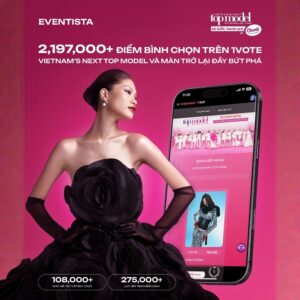
Clear voting regulations ensure smooth operation
Conclusion
A successful competition does not merely identify a winner, but crowns a champion who commands the “unreserved respect” of the community. Investing intellectual effort into constructing professional voting contest rules from the very outset is the wisest strategy to safeguard your brand and the true value of the accolade.
To discover more interesting and useful information, please visit the Eventista Blog today!
“Eventista – Leading Worldwide Platform Optimising Revenue for Entertainment Events and Artists”